
Frequently Asked Questions
Discussion with the North Carolina Board of Pharmacy indicates that pharmacies may distribute drug testing equipment such as fentanyl test strips.
North Carolina General Statute was updated in 2019 (G.S. 90-113.22) to note "a nongovernmental organization that promotes scientifically proven ways of mitigating health risks associated with drug use and other high-risk behaviors to possess such testing equipment or distribute such testing equipment to a person who intends to introduce a controlled substance into his or her body."
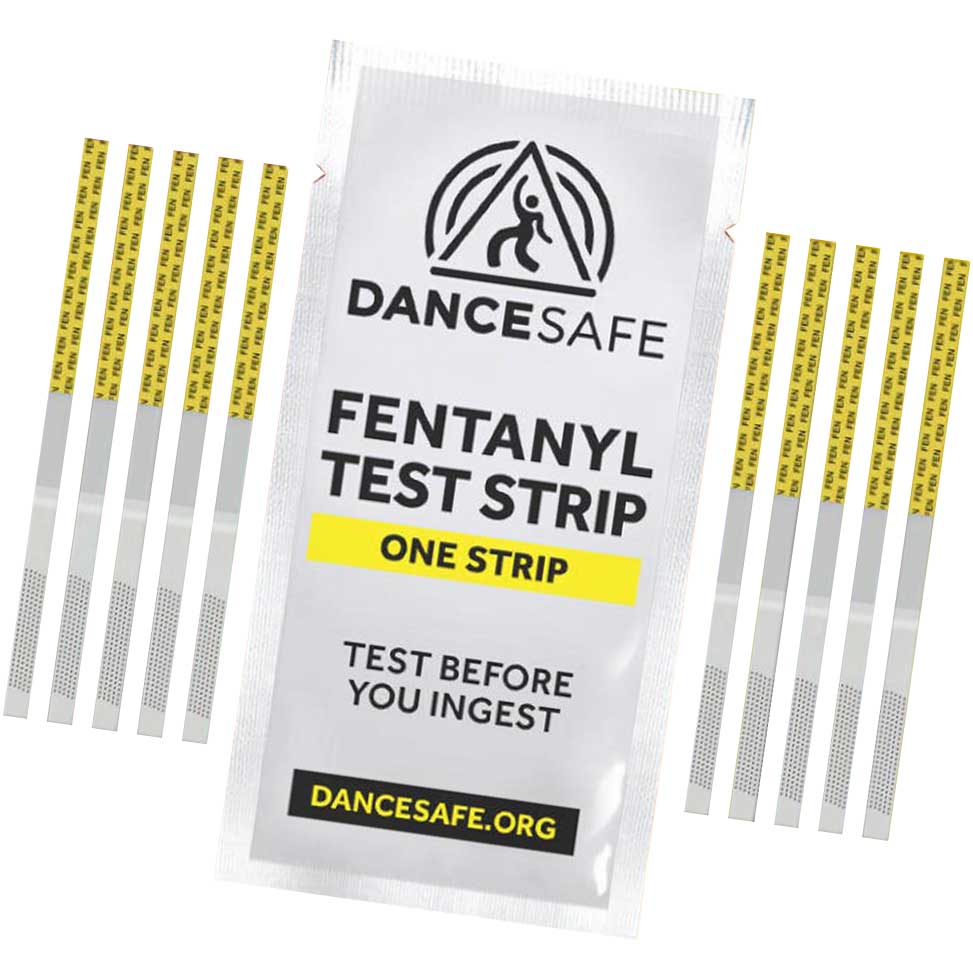
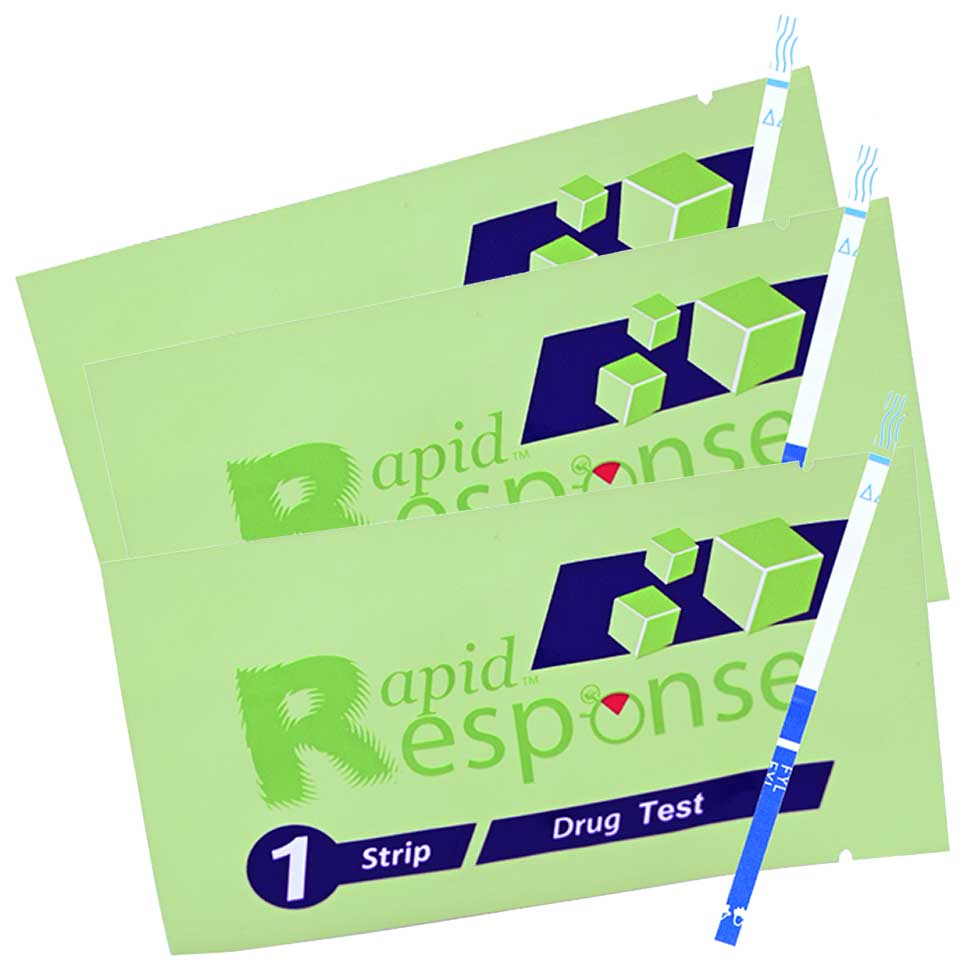
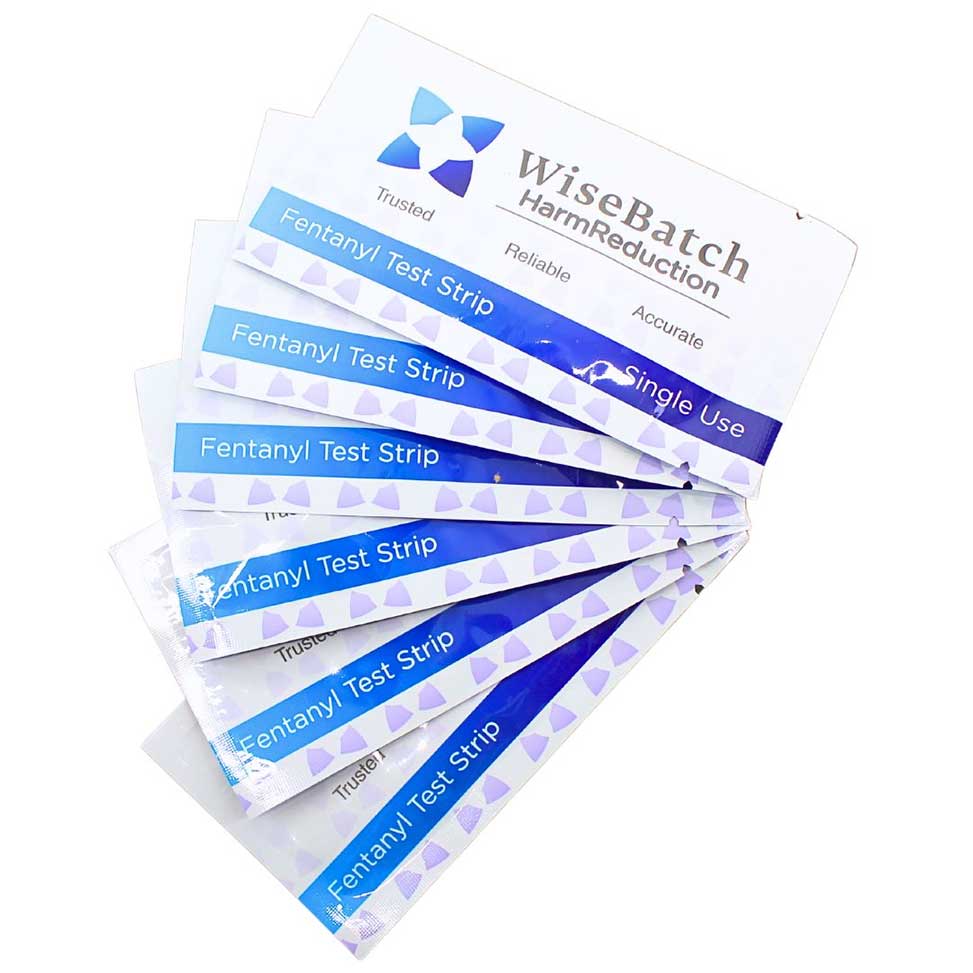
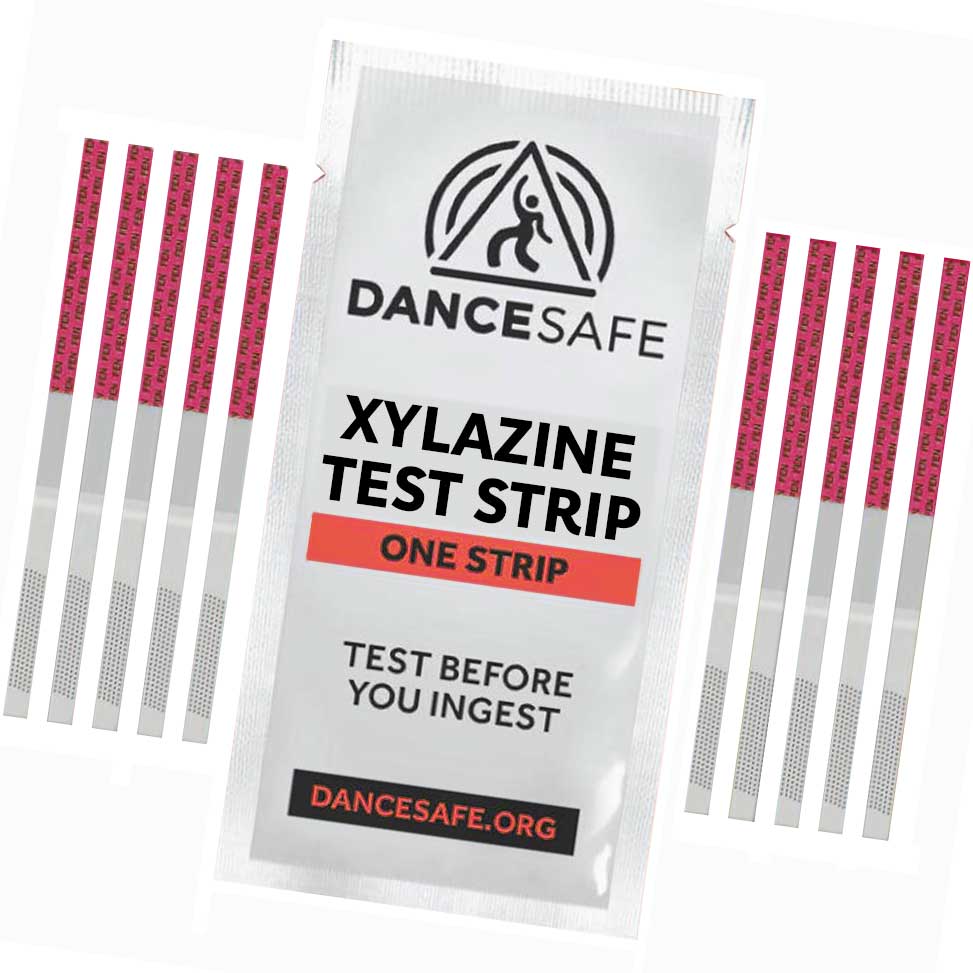
Keep in mind that you are helping to increase access to tools that can save lives. Dispensing fentanyl, xylazine, and other test strips can help people who use drugs make a more informed decision about their drug use, can prevent an overdose, and save a life.
Dealing with customers who have negative attitudes towards test strips can be difficult. When talking with customers who may not agree, emphasize the benefits of test strips: reducing overdose deaths and saving lives.
People who use drugs are not the only ones likely to purchase these test strips. Those concerned about their loved ones or friends who use drugs may also be interested to buy.
UNC Street Drug Lab is a UNC based laboratory that employs analytical chemistry and mass spectrometry to evaluate drugs more comprehensively than with point of care testing, like with FTS/ XTS.
The UNC Street Drug Lab publishes results of drug checking regularly, and can provide a more comprehensive view on what drugs are being found in the unregulated market.
High concentrations of illicit stimulants, methamphetamine, MDMA, and cutting agents, levisamole, lidocaine, can cause false positives with fentanyl test strips.
Dancesafe has updated their fentanyl test strip, and studies have indicated no known false positives. This was confirmed through field testing, a commissioned study at Kara Lynch’s lab at the University of California, San Francisco, and a research collaboration with Marya Lieberman’s lab at the University of Notre Dame.6
Drugs containing xylazine can cause wounds that can grow quickly and be difficult to treat.
Xylazine wounds can start anywhere on the body, but oftentimes occur on the arms, legs or feet.
Xylazine wounds can look like a combination of:
Blisters
Small scabs
Large ulcers
Eschar - dark/ black pieces of dead tissue.
It is recommended to keep wounds clean (moist but not wet) and covered.
Wash the wounds daily with plain soap and water. Pat dry with a clean cloth and cover lightly with petroleum jelly before bandaging. Change bandages daily whenever possible.
Do not use products such as alcohol or peroxide because they can dry out the wound.
Recommend the patient seek a higher level of care, such as an emergency room, when these symptoms occur:
Fever or chills
Skin turns dark or black
Skin is red, hard & hot to touch
Thick, smelly yellow or green drainage
Severe or worsening pain at wound site
Pieces of tissue falling off
Exposed bone or tendon
New numbness
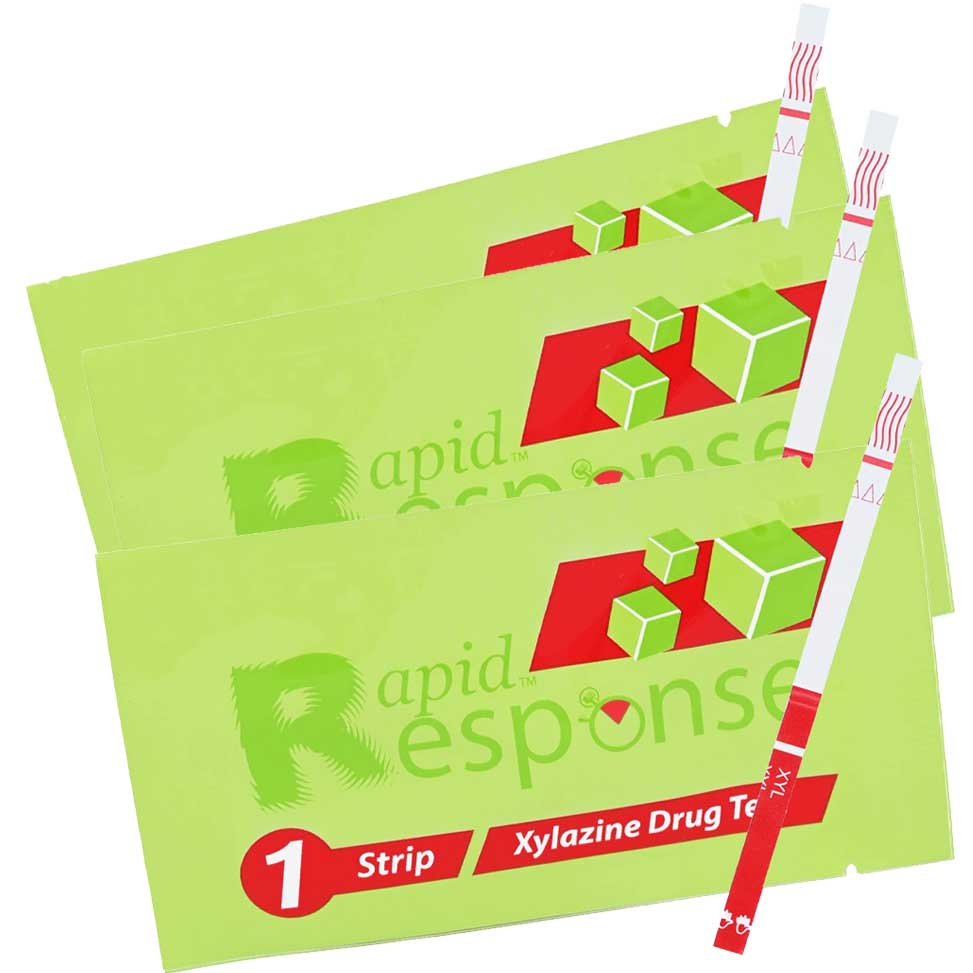
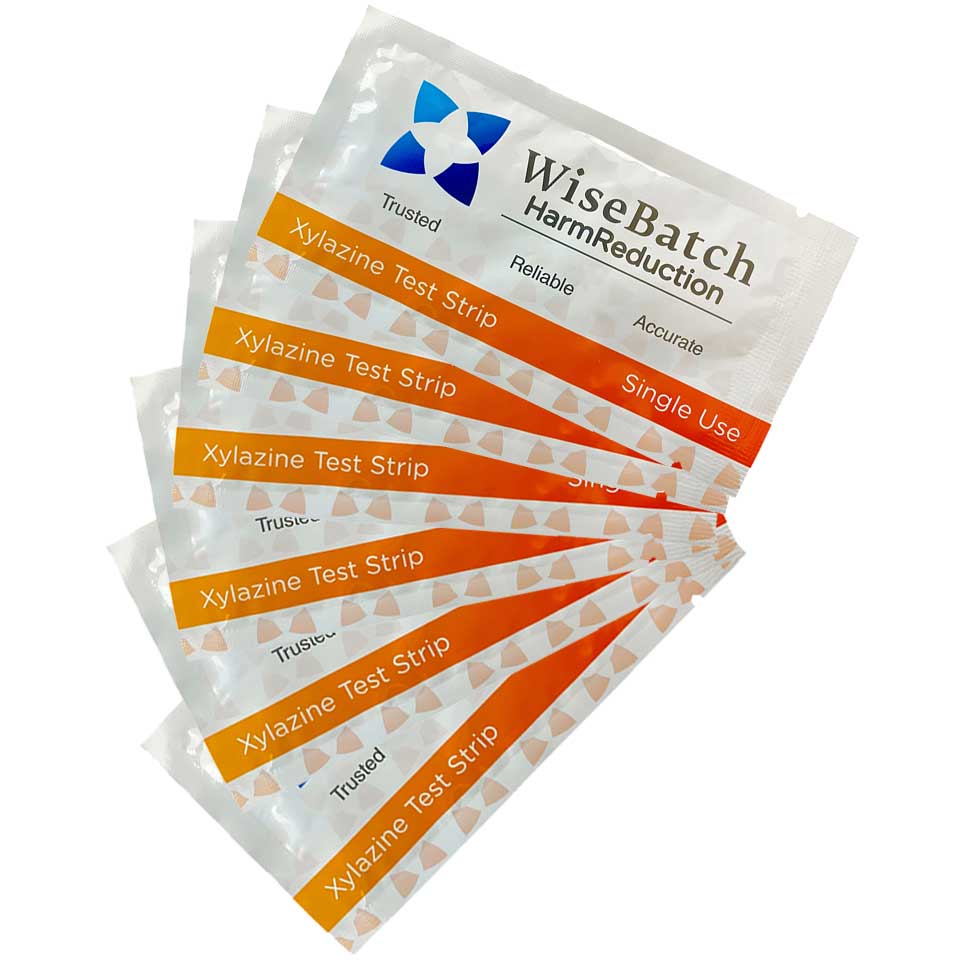
Store FTS and XTS in a temperature range of 36-86 °F.
Test strips have an expiration date printed on the packaging, with a shelf life typically about 18-24 months.